
At PracticalAdultInsights, we're committed to delivering accurate, trustworthy information. Our expert-authored content is rigorously fact-checked and sourced from credible authorities. Discover how we uphold the highest standards in providing you with reliable knowledge.
What Does a Wildlife Photographer Do?
A career as a wildlife photographer is often ideal for individuals who enjoy travel, nature and photography. Taking pictures of wild animals and beautiful landscapes can be rewarding, but is often more difficult than other types of photography. That's because it sometimes takes hours to get a perfect shot, and there is always the potential for harsh weather. Nonetheless, this can be a great career choice for the right individual. The basic duties of a wildlife photographer include receiving assignments from editors, conducting background information on each assignment, traveling to the required location, taking pictures and finally submitting the photos to editors.
The initial part of a wildlife photographer's job consists of first receiving an assignment from an editor. The photographer will find out the location he will travel to, and which animals or landscapes he should film. Depending on the assignment, he may travel anywhere from a location in his local region all the way to other countries and continents.

Once a wildlife photographer has his assignment, his next task is to conduct some background research on the location. This typically includes learning about things like the animals, plants, vegetation and climate of the area. If traveling to distant locations, he might need to get vaccinations and familiarize himself with any potential dangers. In addition, he will have to make the necessary travel arrangements prior to departing.
Traveling to the location is the next phase of the process. Each assignment will differ, with some being able to be completed within a day. Though others may require extensive travel that can take days or weeks to complete.

Taking the pictures is the next and most important part of a wildlife photographer's job. It can sometimes be difficult to get good shots, and often it takes patience to get the desired photo. Unlike photographing people, animals aren't going to sit still while they are photographed. As a result, it usually takes discipline and a willingness to wait in order to get the right shot. Photographers are also susceptible to harsh weather and can occasionally find themselves in dangerous situations.

The final part of each assignment consists of reviewing and performing any necessary edits to the photos. Developing negatives used to be a common practice, but digital cameras have eliminated this step. After digital photos are downloaded and reviewed, the photographer will submit the finished product to his editor who will publish the photos. From there, he will be compensated for his work.
AS FEATURED ON:
AS FEATURED ON:


-
![A picture of zebras taken by a wildlife photographer.]() By: PalenqueA picture of zebras taken by a wildlife photographer.
By: PalenqueA picture of zebras taken by a wildlife photographer. -
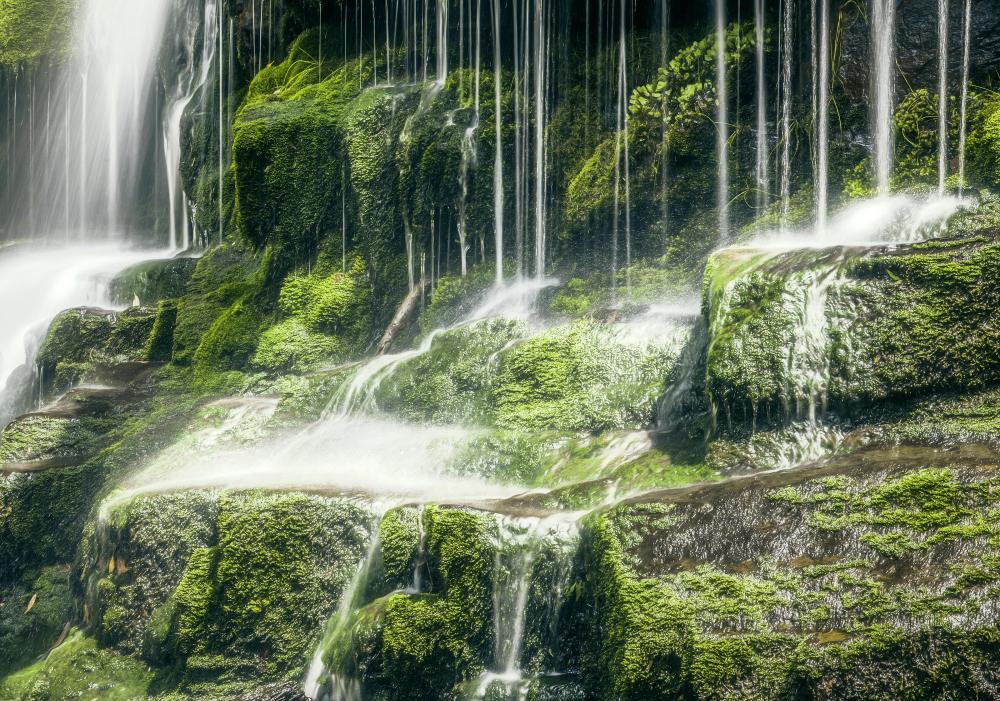
![A photograph of a waterfall in Tasmania.]() By: magannA photograph of a waterfall in Tasmania.
By: magannA photograph of a waterfall in Tasmania. -
![Wildlife photographers may focus on woodland animals, such as hawks.]() By: outdoorsmanWildlife photographers may focus on woodland animals, such as hawks.
By: outdoorsmanWildlife photographers may focus on woodland animals, such as hawks. -
![Wildlife photographers may need a camera with a really good zoom lens to take photos of animals from a distance.]() By: bevangoldswainWildlife photographers may need a camera with a really good zoom lens to take photos of animals from a distance.
By: bevangoldswainWildlife photographers may need a camera with a really good zoom lens to take photos of animals from a distance.



Discussion Comments
@bythewell - If you are a true wildlife photographer, then you won't have to worry too much about hurting the animals, because the whole point is to try and catch them in their natural setting, doing their natural activities.
It's only when people starting bringing animals indoors and trying to light them or create an artificial setting that they can end up hurting the animal.
@browncoat - People just need to be careful that they are ethical in the way they obtain their photos. I've heard some bad things about stock photographers who manipulate little animals like frogs into strange positions with string or wires in order to get an interesting shot.
If you're working with a prominent magazine they will of course want to make sure that you are working within ethical guidelines but I doubt anyone does that for people working on their own.
If you fancy being a kind of wildlife photographer but aren't sure you want to devote an entire career towards it, then you might want to try submitting to stock photography sites. There are quite a few that will allow you to set your own rates and you get royalties whenever anyone uses your photos.
You have to be able to take good quality photos and to display them well on the internet. You also won't get paid nearly as much as people who work for established magazines. But it can be a nice sideline for anyone who wants a hobby.
Post your comments